Kali Purple SOC: Part 9 – OpenCTI Installation and Setup


Installing OpenCTI
SSH into Kali Violet VM
Install dependencies
sudo apt update && sudo apt install curl -y
Install Docker
sudo apt install docker.io -y
sudo systemctl enable docker --now
Manage Docker as a non-root user
sudo usermod -aG docker $USER
chmod 666 /var/run/docker.sock
Install Portainer
docker volume create portainer_data
docker run -d -p 18000:18000 -p 9443:9443 --name portainer --restart=always -v /var/run/docker.sock:/var/run/docker.sock -v portainer_data:/data portainer/portainer-ce:latestCheck if the container has been started
docker ps
Login to Portainer
Login to Portainer at https://192.168.253.10:9443
Create username and password.
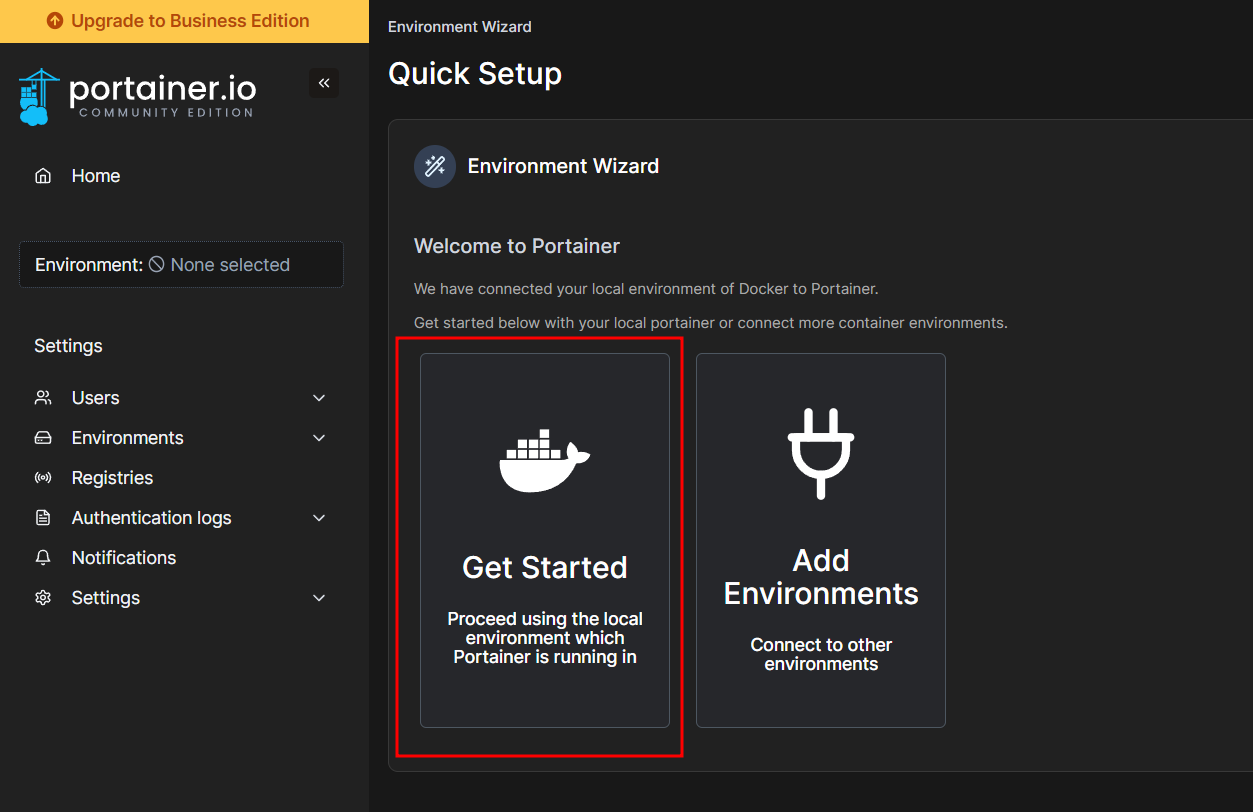
Click Get Started.
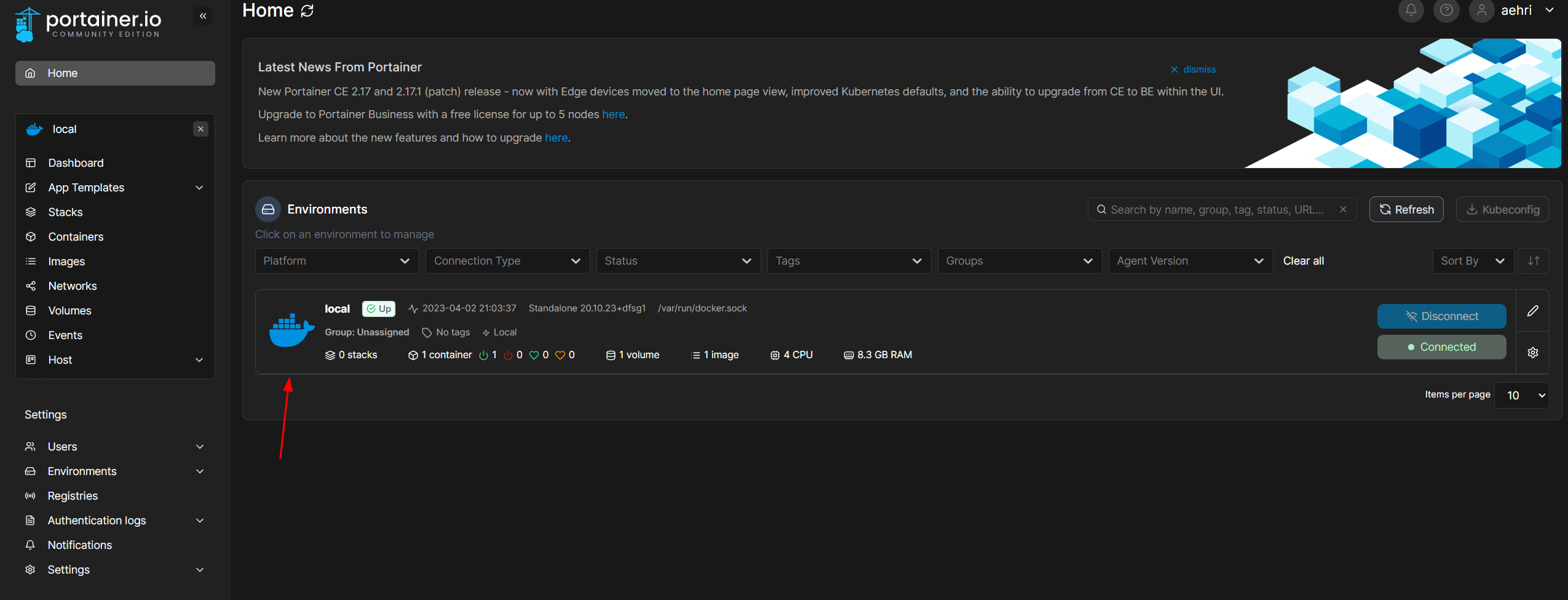
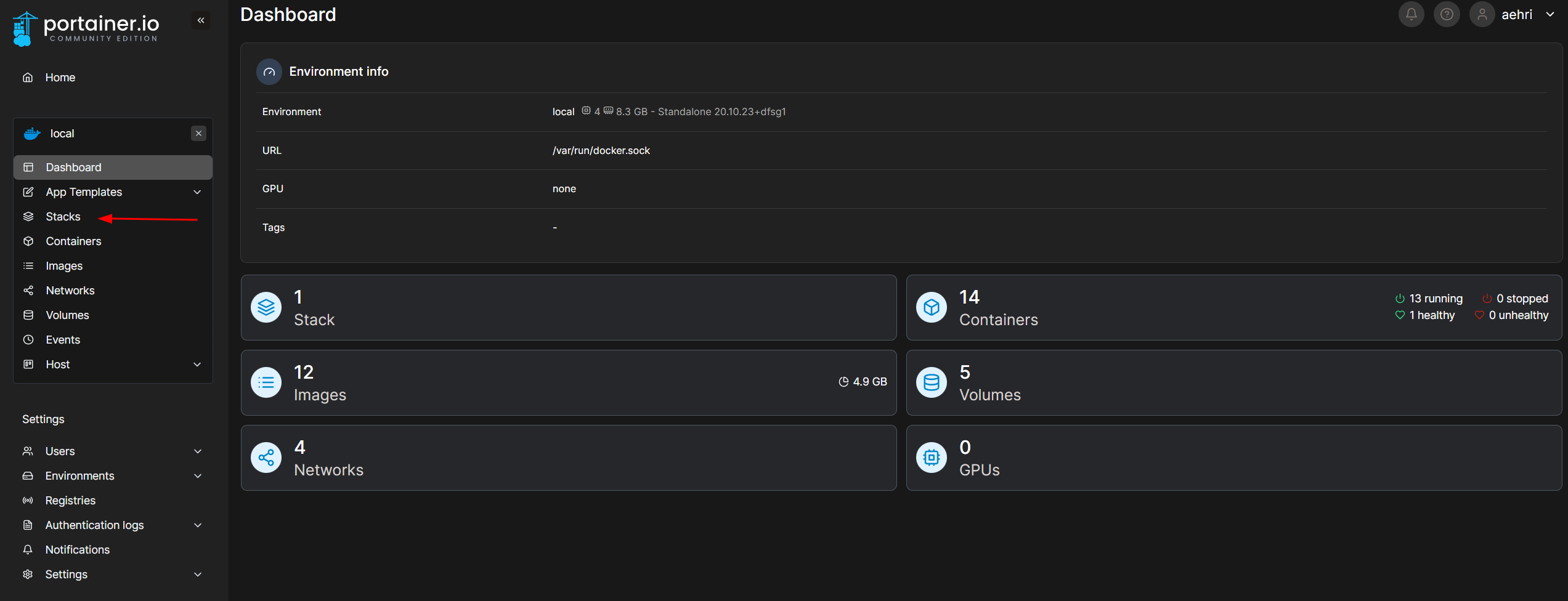
Click the local instance.
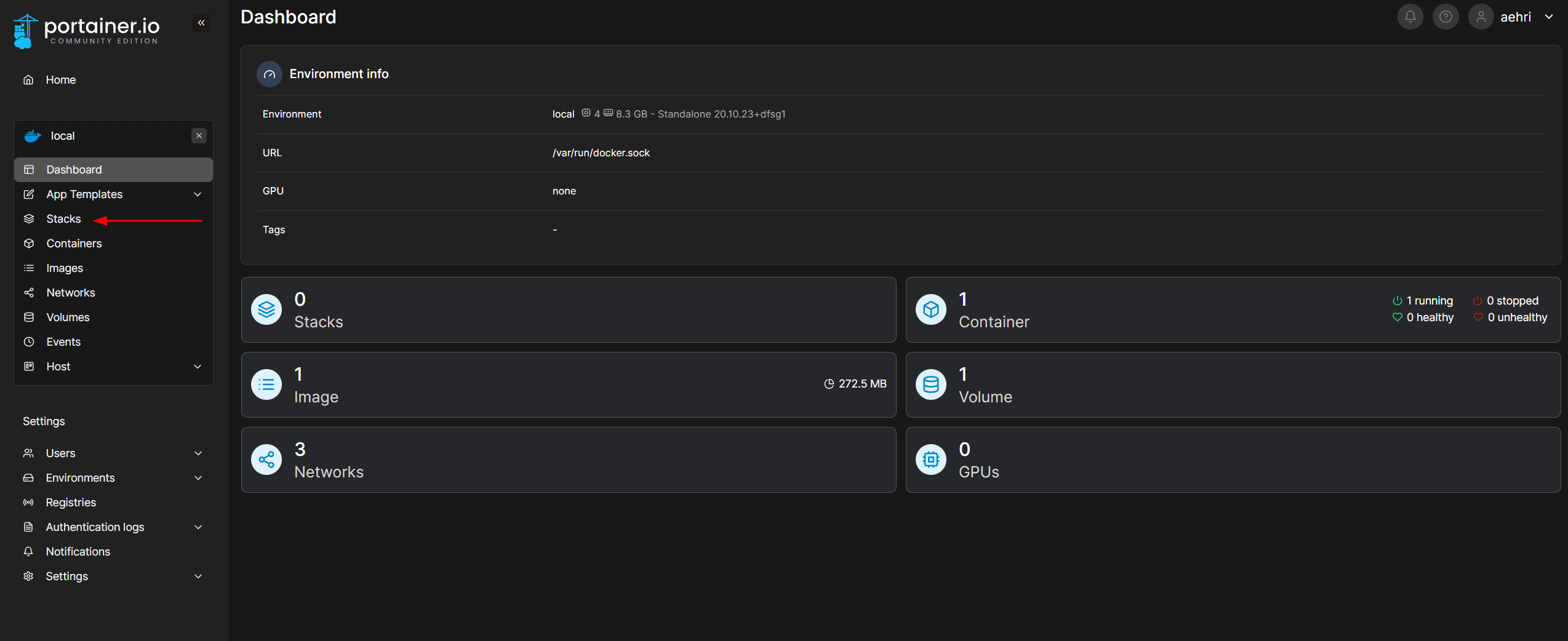
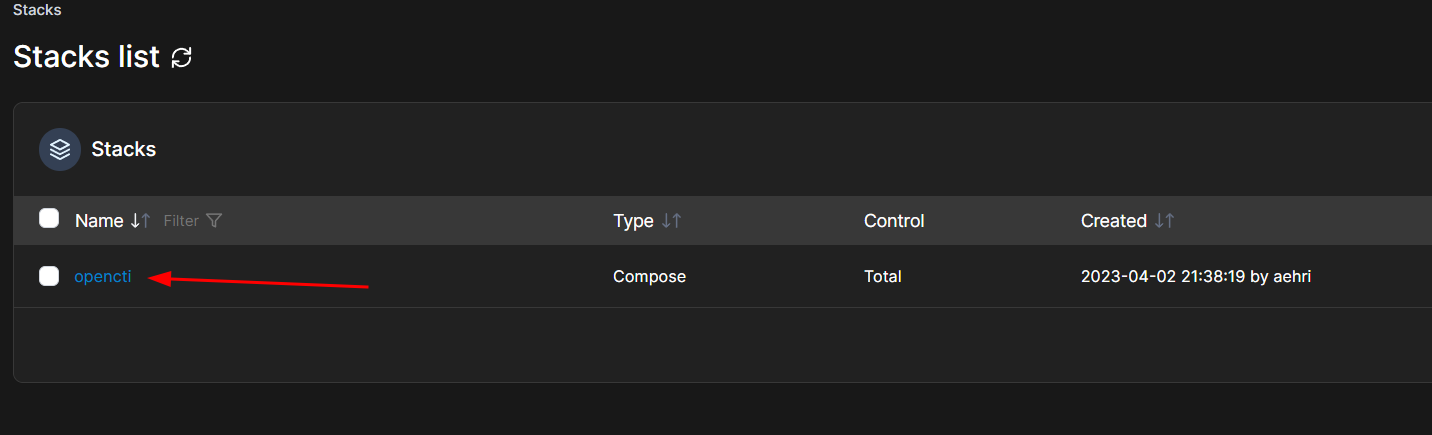
Click Stacks.
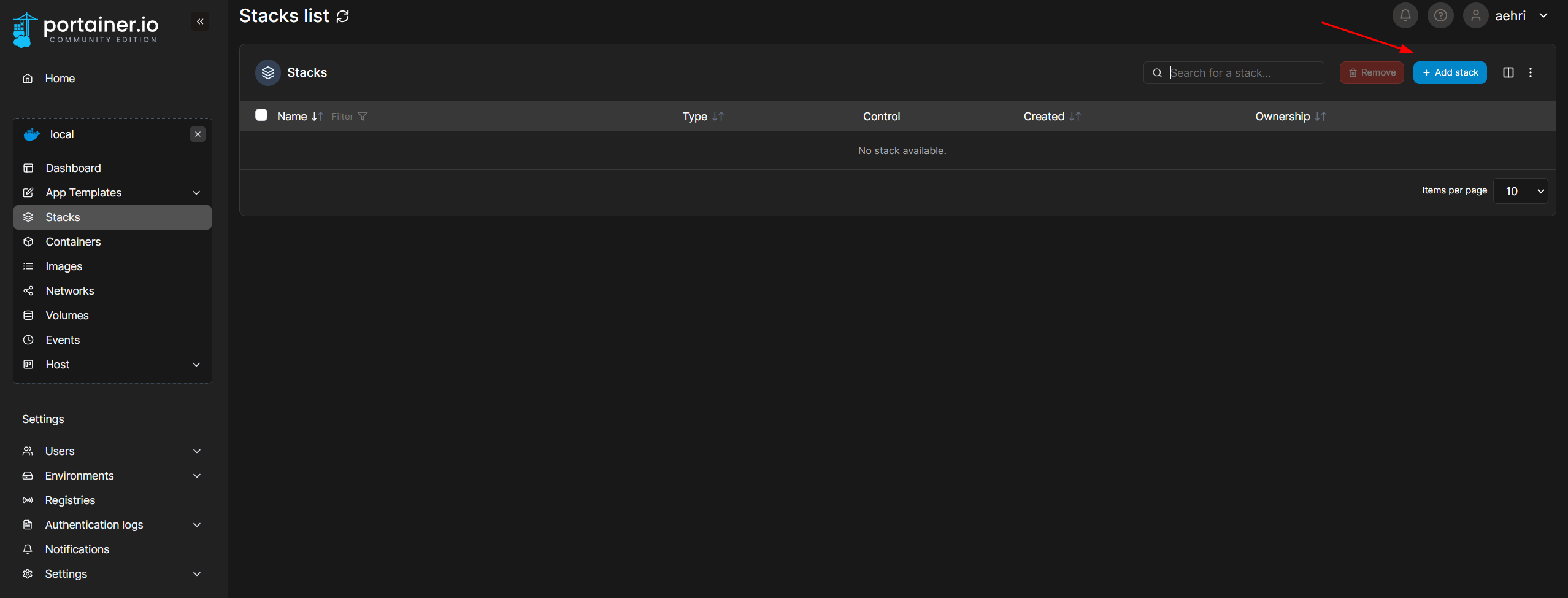
Add stack
Open https://github.com/OpenCTI-Platform/docker/blob/master/docker-compose.yml and copy.
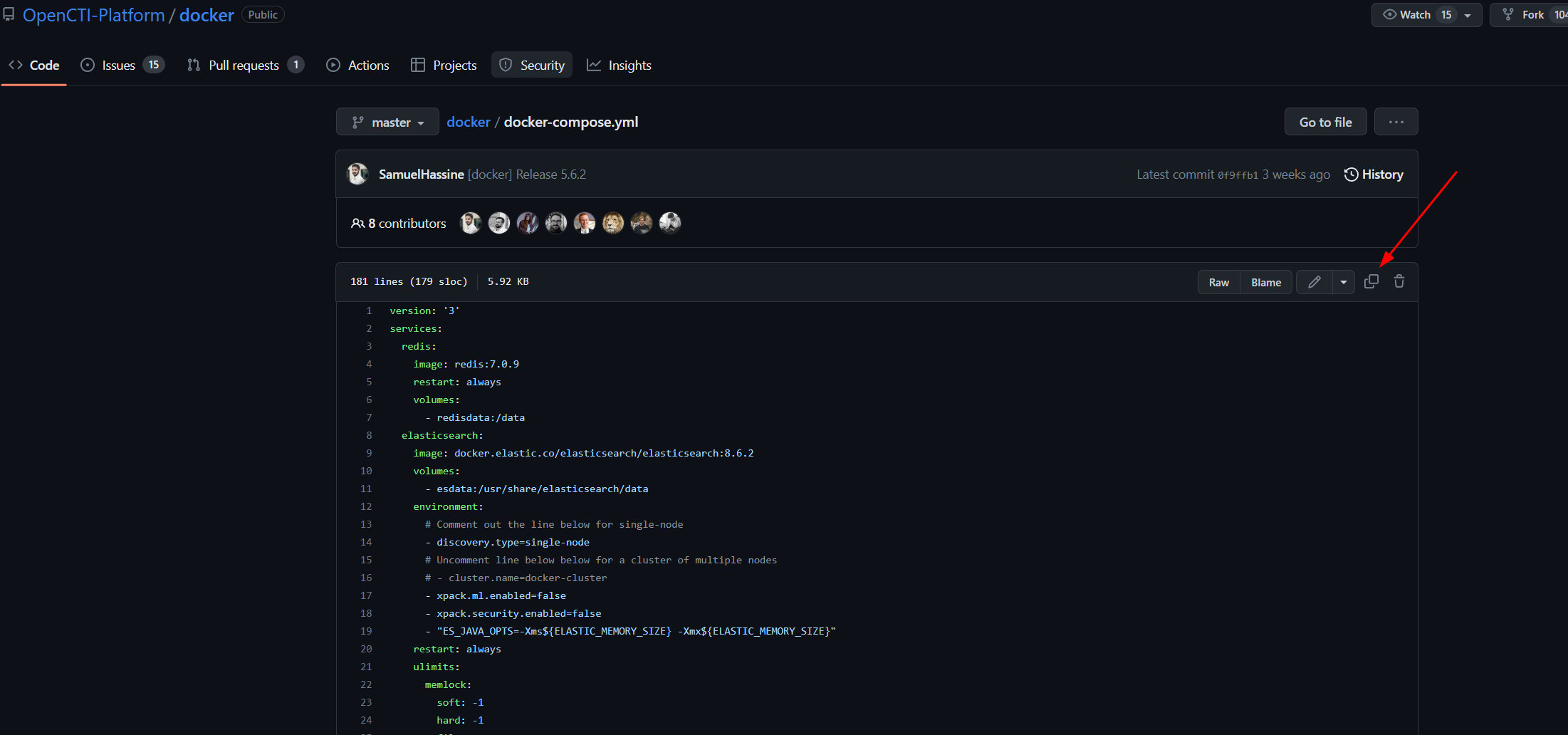
Name the stack opencti

Paste the code into the web editor.
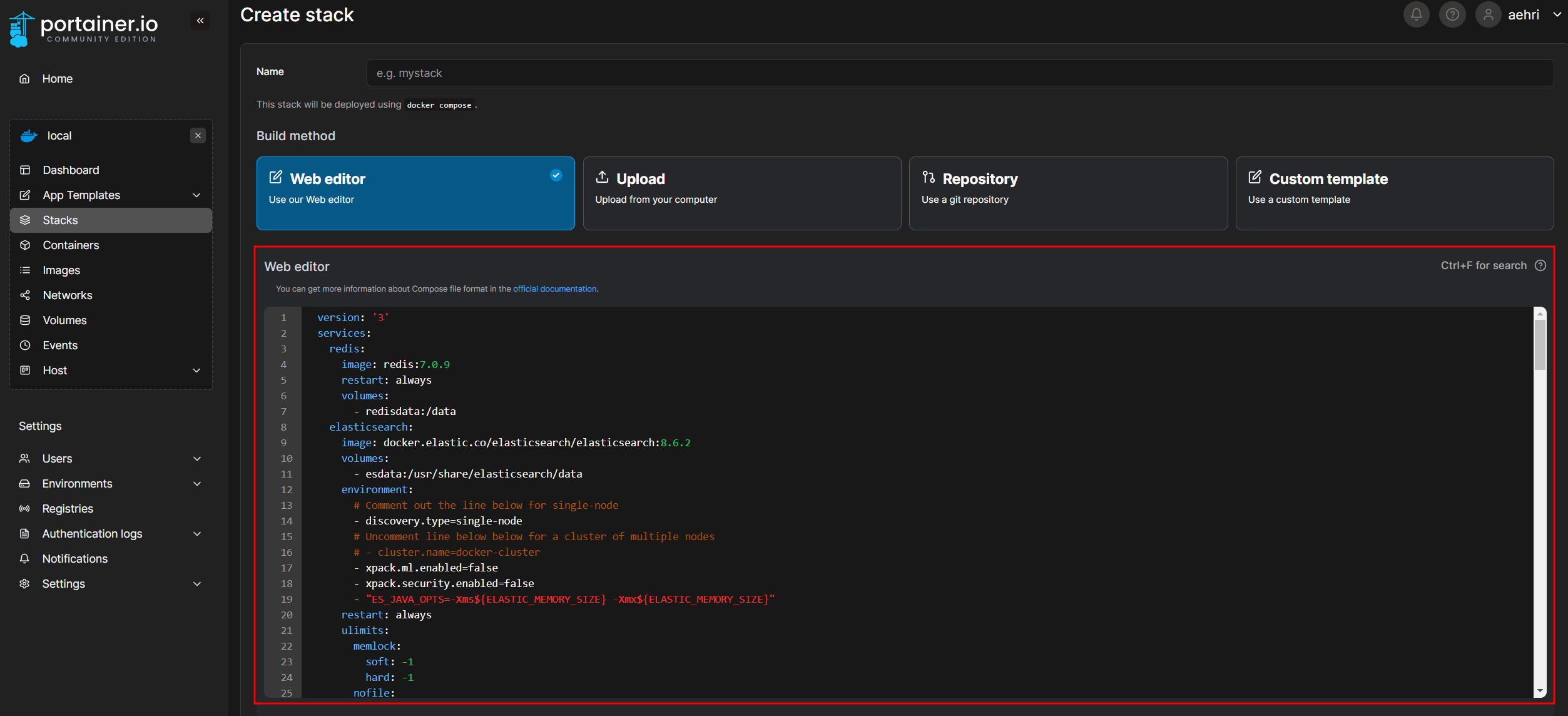
We need to create a number of environment variables before deploying the stack.
In a Kali Violet VM terminal window, run the following:
sudo mkdir /opt/opencti
cd /opt/opencti
sudo bash -c "(cat << EOF
[email protected]
OPENCTI_BASE_URL=http://192.168.253.10:8080
OPENCTI_ADMIN_PASSWORD=CHANGEMEPLEASE
OPENCTI_ADMIN_TOKEN=$(cat /proc/sys/kernel/random/uuid)
MINIO_ROOT_USER=$(cat /proc/sys/kernel/random/uuid)
MINIO_ROOT_PASSWORD=$(cat /proc/sys/kernel/random/uuid)
RABBITMQ_DEFAULT_USER=opencti
RABBITMQ_DEFAULT_PASS=$(cat /proc/sys/kernel/random/uuid)
CONNECTOR_HISTORY_ID=$(cat /proc/sys/kernel/random/uuid)
CONNECTOR_EXPORT_FILE_STIX_ID=$(cat /proc/sys/kernel/random/uuid)
CONNECTOR_EXPORT_FILE_CSV_ID=$(cat /proc/sys/kernel/random/uuid)
CONNECTOR_EXPORT_FILE_TXT_ID=$(cat /proc/sys/kernel/random/uuid)
CONNECTOR_IMPORT_DOCUMENT_ID=$(cat /proc/sys/kernel/random/uuid)
CONNECTOR_IMPORT_FILE_STIX_ID=$(cat /proc/sys/kernel/random/uuid)
CONNECTOR_IMPORT_REPORT_ID=$(cat /proc/sys/kernel/random/uuid)
SMTP_HOSTNAME=localhost
ELASTIC_MEMORY_SIZE=4G
EOF
 ) > .env"
sudo chmod 600 .env
sudo cat .env
Copy the output of the sudo cat .env command and modify it to look something like this:
OPENCTI_ADMIN_EMAIL=your_email_address
OPENCTI_BASE_URL=http://192.168.253.10:8080
OPENCTI_ADMIN_PASSWORD=your_password
OPENCTI_ADMIN_TOKEN=8a9a6b15-48fa-48cb-a356-b2af79e44a4d
MINIO_ROOT_USER=a0a817ac-229a-43d6-b83e-f87573db56cc
MINIO_ROOT_PASSWORD=4c514035-5aea-4bd5-9b5e-4e2b96562c38
RABBITMQ_DEFAULT_USER=opencti
RABBITMQ_DEFAULT_PASS=f9a03fb5-b445-42f4-92eb-0ac0e8b01edc
CONNECTOR_HISTORY_ID=4edc8e23-147b-483c-ae5e-8512e39bb7d5
CONNECTOR_EXPORT_FILE_STIX_ID=655ccf74-461a-45fa-be7d-4494b0f4403b
CONNECTOR_EXPORT_FILE_CSV_ID=64ca4d7c-903f-4f16-921f-5620971adaab
CONNECTOR_EXPORT_FILE_TXT_ID=5c47adb1-291f-42ba-91b6-1b7f5b229f8f
CONNECTOR_IMPORT_DOCUMENT_ID=b3603efd-58a0-45ad-87b2-63c0ccd58444
CONNECTOR_IMPORT_FILE_STIX_ID=f23ccbea-31a6-4f61-bb7c-9b0cc5b7fda9
CONNECTOR_IMPORT_REPORT_ID=25ef4ec7-cc59-4da0-ad07-e2125ec8d5f6
SMTP_HOSTNAME=localhost
ELASTIC_MEMORY_SIZE=4G
In Portainer, click Advanced mode
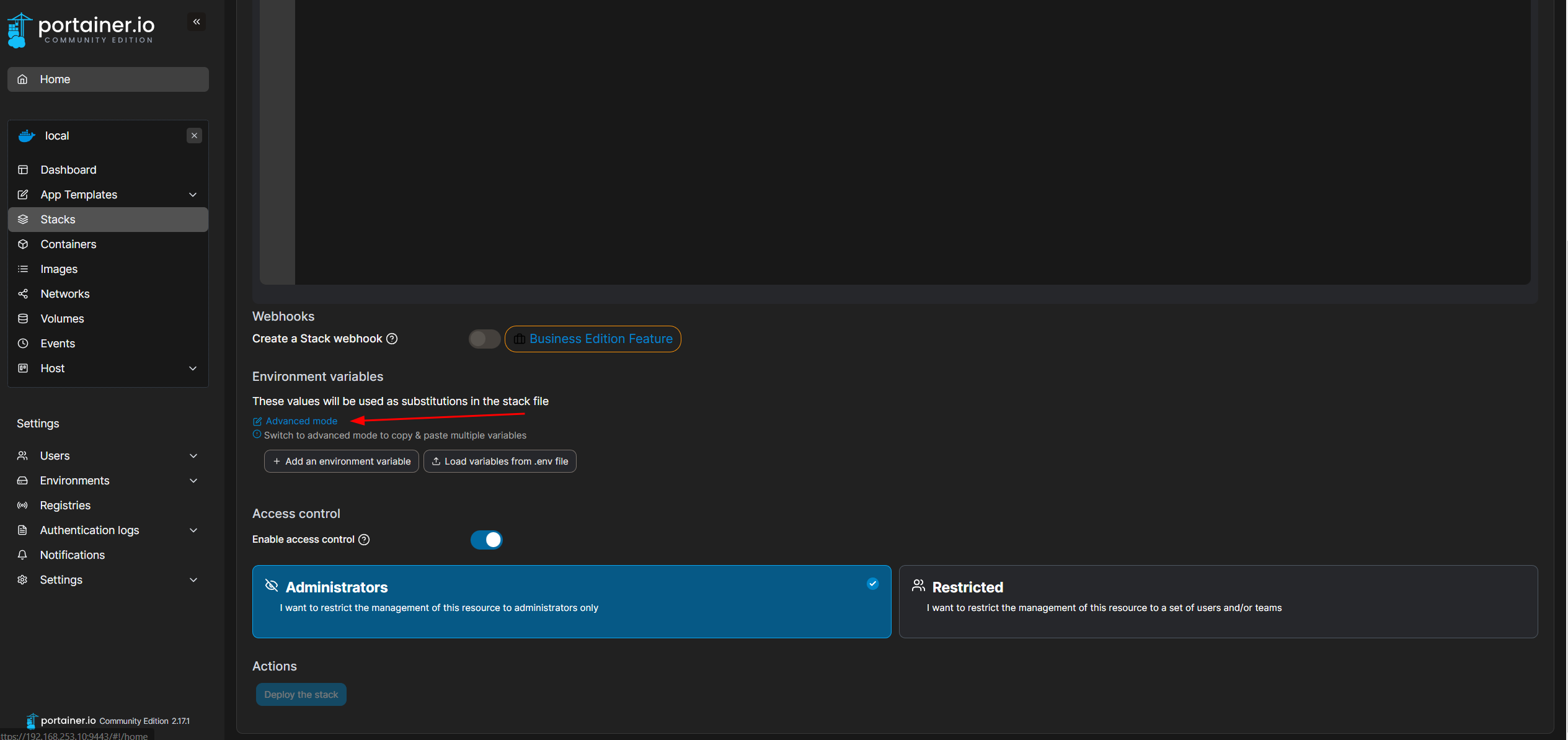
Paste the variables you modified in the field that appears.
Click Deploy stack.
After deployment is finished (will take several minutes to come up) login to http://192.168.253.10:8080
Enable HTTPS
In a terminal window on Kali Violet VM
sudo mkdir /etc/ssl/localcerts
openssl req -nodes -new -x509 -keyout server.key -out server.cert
Leave all blank (just hit enter through all of them)
sudo mv server.* /etc/ssl/localcerts
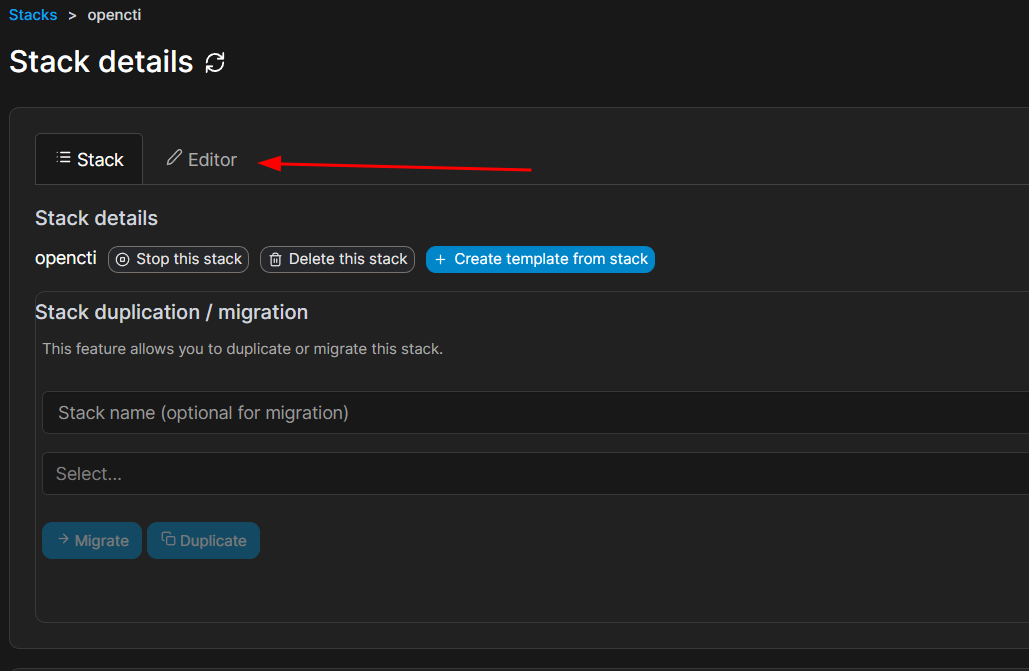
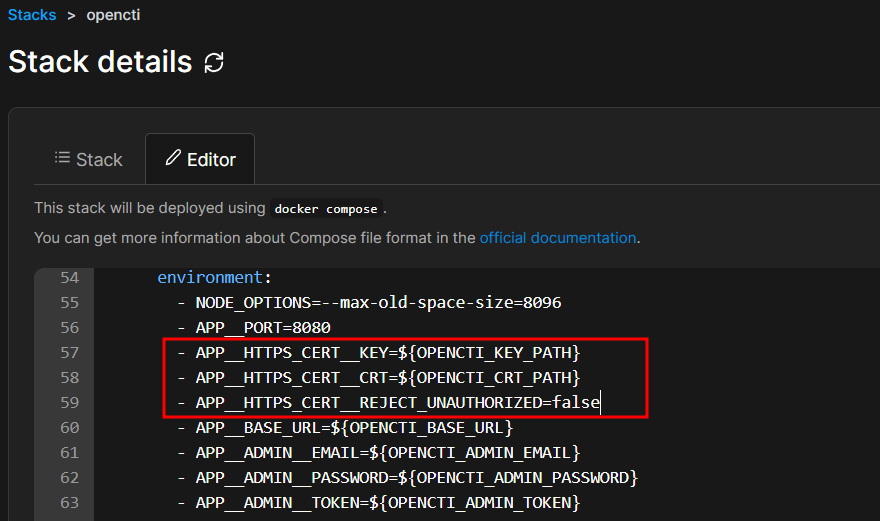
In the stack configuration, add the following lines to the "environment" section of the OpenCTI configuration:
      - APP__HTTPS_CERT__KEY=${OPENCTI_KEY_PATH}
      - APP__HTTPS_CERT__CRT=${OPENCTI_CRT_PATH}
      - APP__HTTPS_CERT__REJECT_UNAUTHORIZED=false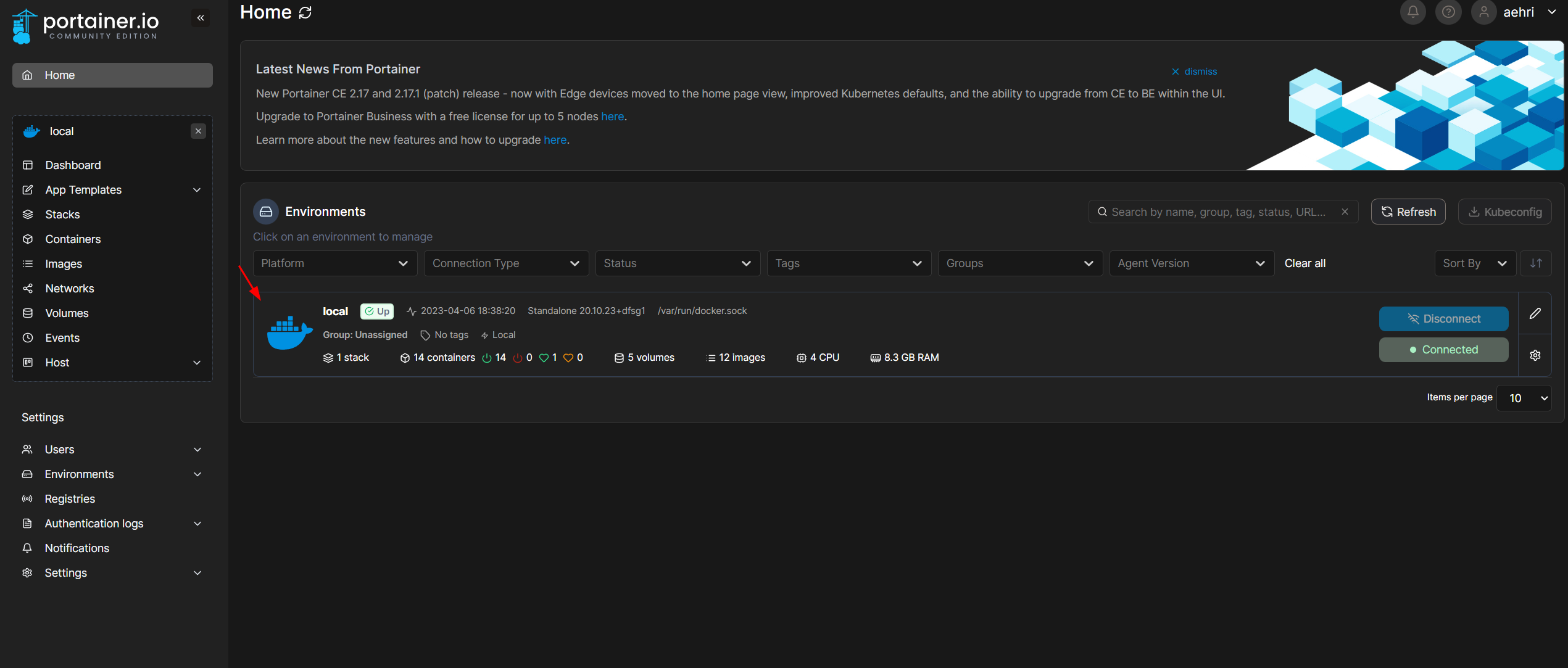
To access the certificate and key, add the following volume section to the OpenCTI config as well:
    volumes:
      - /etc/ssl/localcerts/:/etc/ssl/localcerts:ro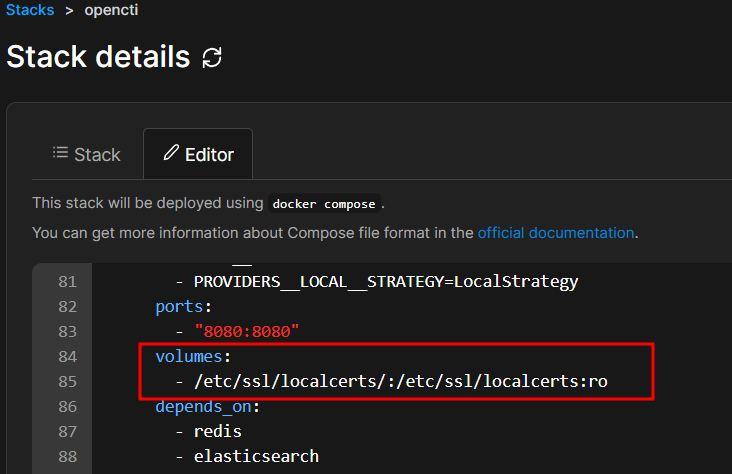
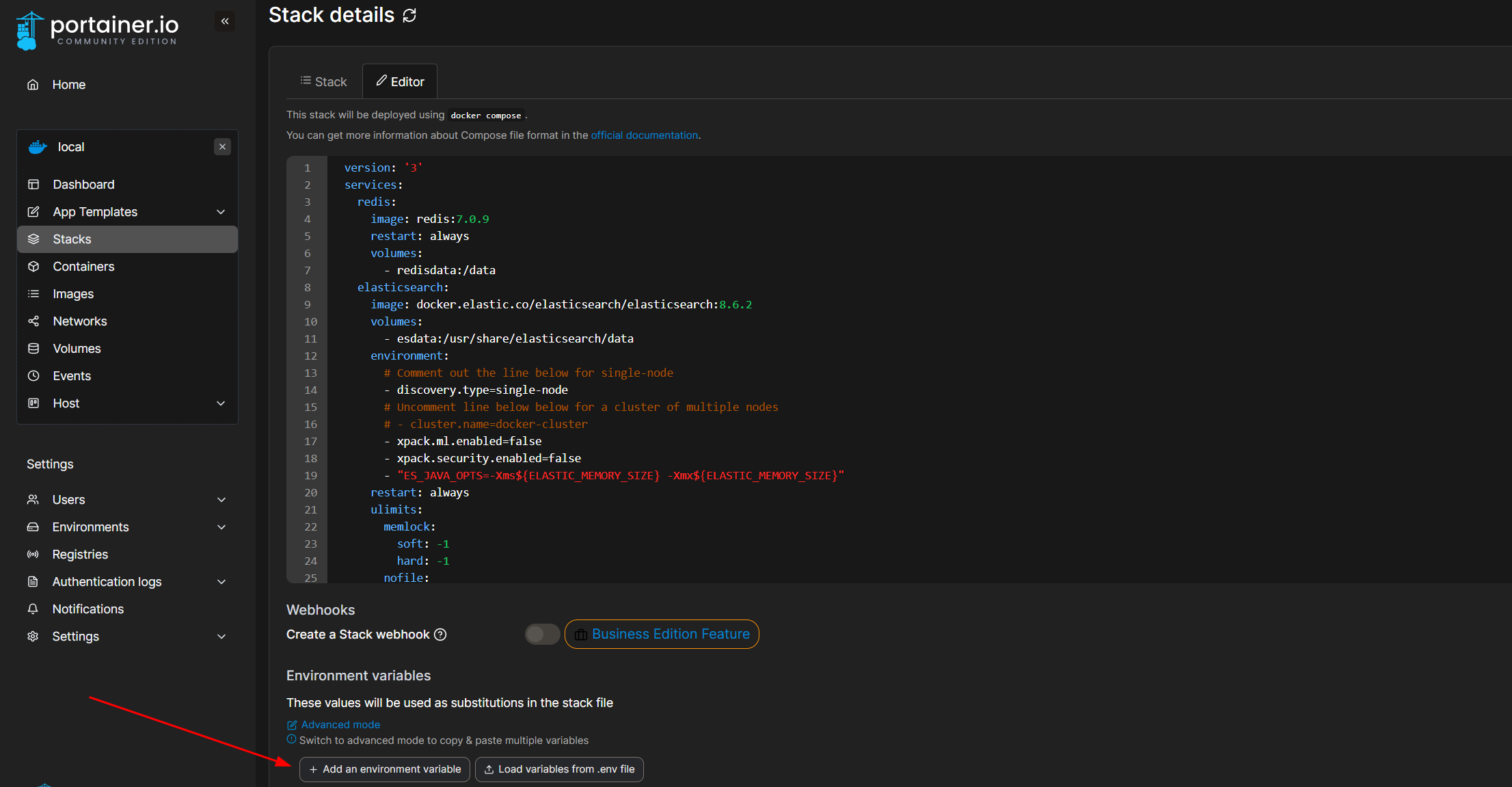
Assign the paths to the variable in the environment section:

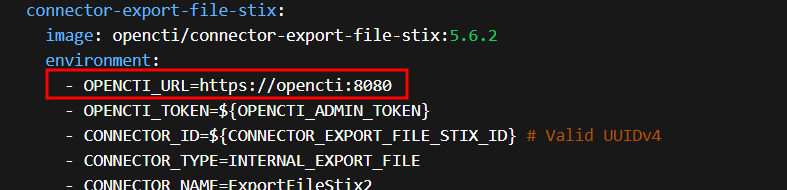
Replace all references to http with https
There should be 6 entries.
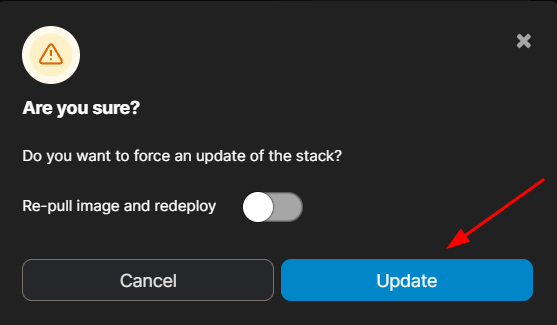
Update the stack.

Wait a few minutes, then logon to https://192.168.253.10:8080/
Add Connectors
Adding Connectors
Optional additional connectors not listed below can be found at https://github.com/OpenCTI-Platform/connectors/tree/master/external-import
OpenCTI Connector
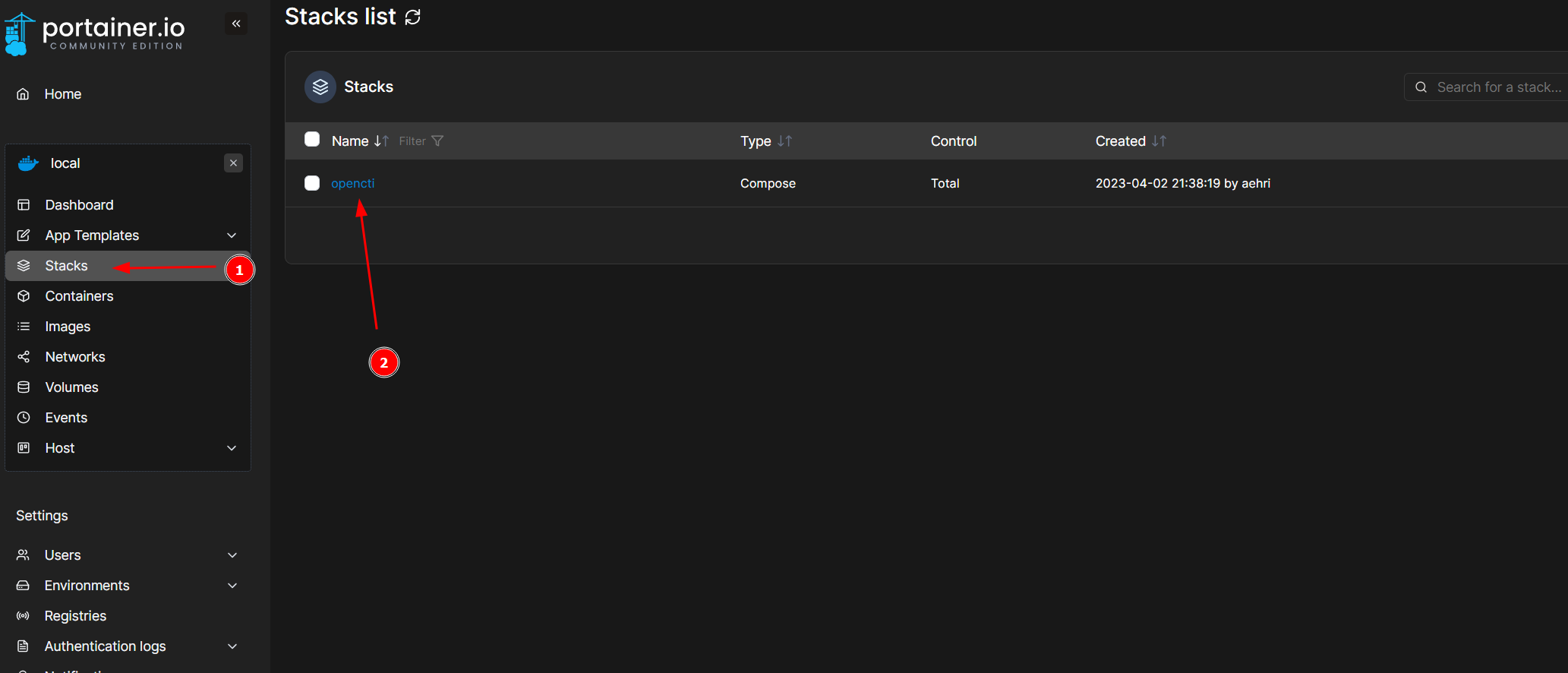

Generate random UUID and append to the .env file from the command line.
sudo bash -c "(cat << EOF
CONNECTOR_OPENCTI_ID=$(cat /proc/sys/kernel/random/uuid)
EOF
 ) >> .env"
sudo grep 'CONNECTOR_OPENCTI_ID' .env
Copy that into environment variables.

Add the OpenCTI connector
connector-opencti:
    image: opencti/connector-opencti:5.5.2
    environment:
      - OPENCTI_URL=https://opencti:8080
      - OPENCTI_TOKEN=${OPENCTI_ADMIN_TOKEN}
      - CONNECTOR_ID=${CONNECTOR_OPENCTI_ID}
      - CONNECTOR_TYPE=EXTERNAL_IMPORT
      - CONNECTOR_NAME=OpenCTI
      - CONNECTOR_SCOPE=marking-definition,identity,location
      - CONNECTOR_CONFIDENCE_LEVEL=90 # From 0 (Unknown) to 100 (Fully trusted)
      - CONNECTOR_UPDATE_EXISTING_DATA=true
      - CONNECTOR_RUN_AND_TERMINATE=false
      - CONNECTOR_LOG_LEVEL=info
      - CONFIG_SECTORS_FILE_URL=https://raw.githubusercontent.com/OpenCTI-Platform/datasets/master/data/sectors.json
      - CONFIG_GEOGRAPHY_FILE_URL=https://raw.githubusercontent.com/OpenCTI-Platform/datasets/master/data/geography.json
      - CONFIG_INTERVAL=7 # In days, must be strictly greater than 1
    restart: always
    depends_on:
      - opencti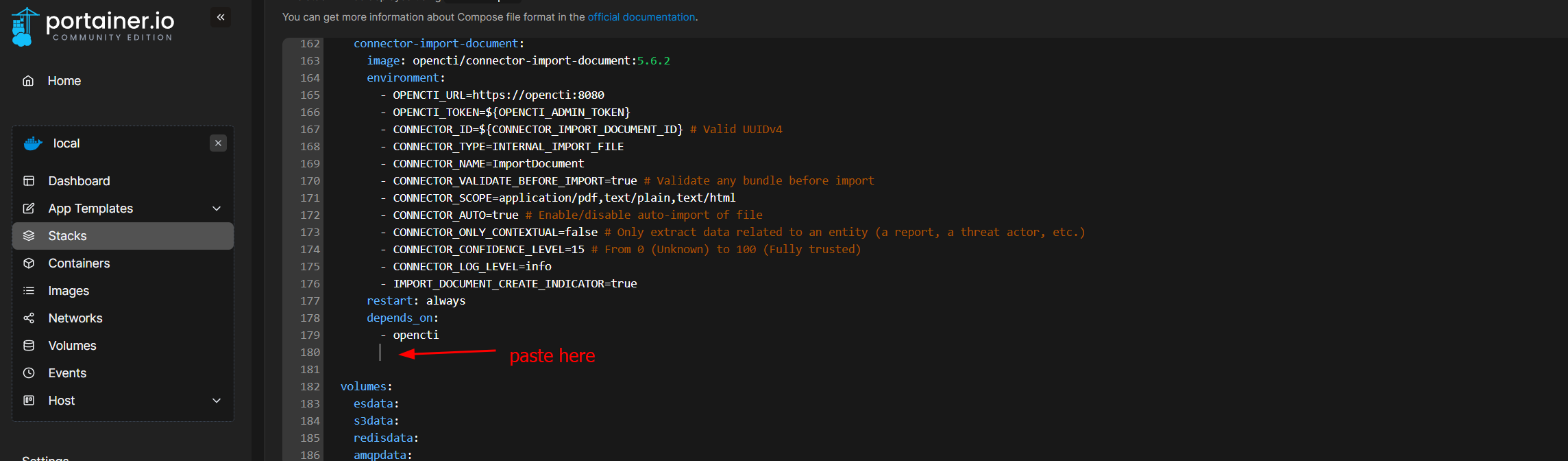
Deploy stack.
MITRE Connector
Generate random UUID and append to the .env file from the command line.
sudo bash -c "(cat << EOF
CONNECTOR_MITRE_ID=$(cat /proc/sys/kernel/random/uuid)
EOF
 ) >> .env"
sudo grep 'CONNECTOR_MITRE_ID' .env
Copy that into environment variables.
Add the MITRE connector
connector-mitre:
    image: opencti/connector-mitre:5.6.2
    environment:
      - OPENCTI_URL=https://opencti:8080
      - OPENCTI_TOKEN=${OPENCTI_ADMIN_TOKEN}
      - CONNECTOR_ID=${CONNECTOR_MITRE_ID}
      - CONNECTOR_TYPE=EXTERNAL_IMPORT
      - CONNECTOR_NAME=MITRE_Datasets
      - CONNECTOR_SCOPE=tool,report,malware,identity,campaign,intrusion-set,attack-pattern,course-of-action,x-mitre-data-source,x-mitre-data-component,x-mitre-matrix,x-mitre-tactic,x-mitre-collection
      - CONNECTOR_CONFIDENCE_LEVEL=75
      - CONNECTOR_UPDATE_EXISTING_DATA=false
      - CONNECTOR_RUN_AND_TERMINATE=false
      - CONNECTOR_LOG_LEVEL=info
      - MITRE_INTERVAL=7 # In days
    restart: always
    depends_on:
      - opencti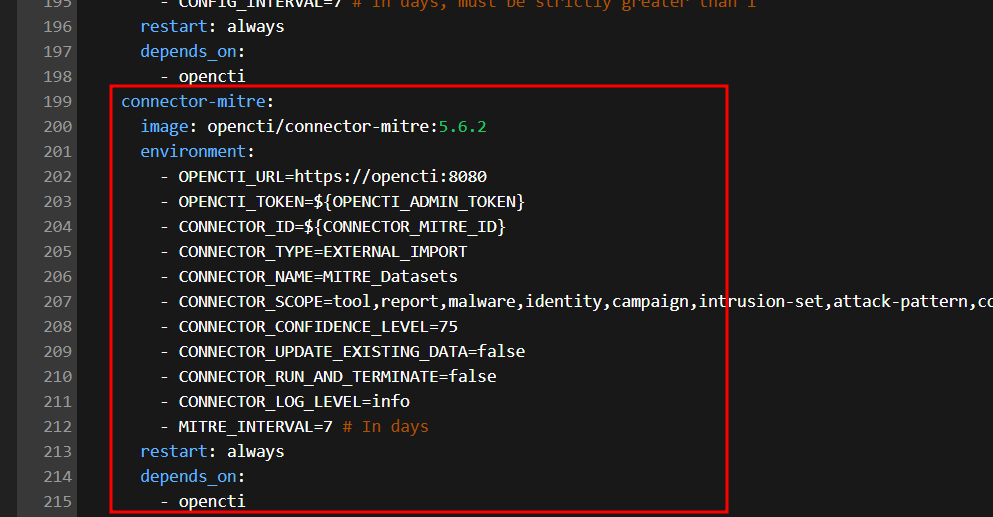
Deploy stack.
URLHAUS Connector
Generate random UUID and append to the .env file from the command line.
sudo bash -c "(cat << EOF
CONNECTOR_URLHAUS_ID=$(cat /proc/sys/kernel/random/uuid)
EOF
 ) >> .env"
sudo grep 'CONNECTOR_URLHAUS_ID' .env
Copy that into environment variables.
Add the URLHAUS connector
connector-urlhaus:
    image: opencti/connector-urlhaus:5.6.2
    environment:
      - OPENCTI_URL=https://opencti:8080
      - OPENCTI_TOKEN=${OPENCTI_ADMIN_TOKEN}
      - CONNECTOR_ID=${CONNECTOR_URLHAUS_ID}
      - CONNECTOR_TYPE=EXTERNAL_IMPORT
      - CONNECTOR_NAME=Abuse.ch_URLhaus
      - CONNECTOR_SCOPE=urlhaus
      - CONNECTOR_CONFIDENCE_LEVEL=40 # From 0 (Unknown) to 100 (Fully trusted)
      - CONNECTOR_UPDATE_EXISTING_DATA=false
      - CONNECTOR_LOG_LEVEL=info
      - URLHAUS_CSV_URL=https://urlhaus.abuse.ch/downloads/csv_recent/
      - URLHAUS_IMPORT_OFFLINE=true
      - URLHAUS_CREATE_INDICATORS=true
      - URLHAUS_THREATS_FROM_LABELS=true
      - URLHAUS_INTERVAL=3 # In days, must be strictly greater than 1
    restart: always
    depends_on:
      - opencti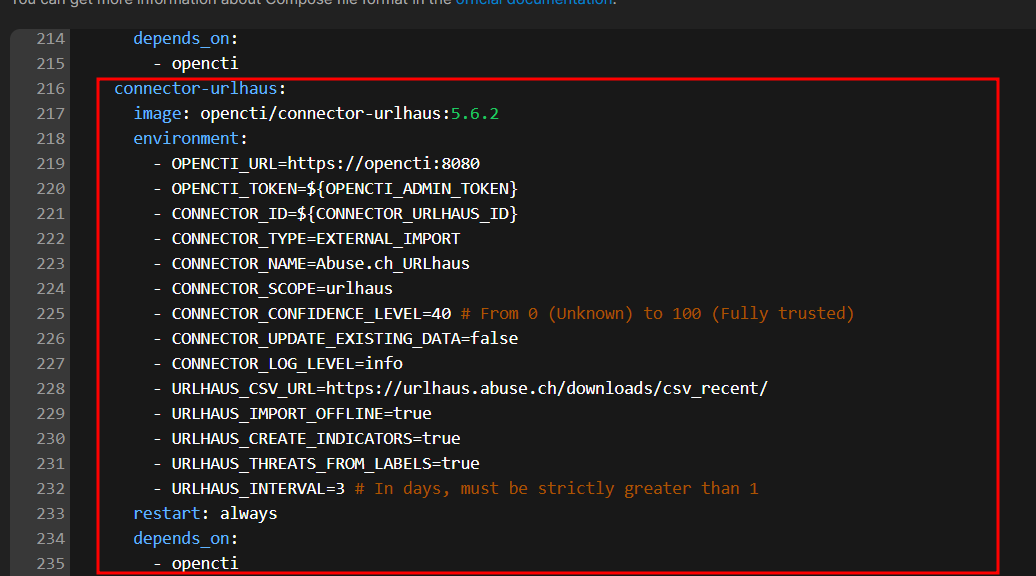
Deploy stack.
ABUSESSL Connector
Generate random UUID and append to the .env file from the command line.
sudo bash -c "(cat << EOF
CONNECTOR_ABUSESSL_ID=$(cat /proc/sys/kernel/random/uuid)
EOF
 ) >> .env"
sudo grep 'CONNECTOR_ABUSESSL_ID' .env
Copy that into environment variables.
Add the ABUSESSL connector
connector-abuse-ssl:
    image: opencti/connector-abuse-ssl:5.6.2
    environment:
      - OPENCTI_URL=https://opencti:8080
      - OPENCTI_TOKEN=${OPENCTI_ADMIN_TOKEN}
      - CONNECTOR_ID=${CONNECTOR_ABUSESSL_ID}
      - CONNECTOR_TYPE=EXTERNAL_IMPORT
      - CONNECTOR_NAME=Abuse.ch_SSL_Blacklist
      - CONNECTOR_SCOPE=abusessl
      - CONNECTOR_CONFIDENCE_LEVEL=70
      - CONNECTOR_UPDATE_EXISTING_DATA=true
      - CONNECTOR_LOG_LEVEL=info
      - ABUSESSL_URL=https://sslbl.abuse.ch/blacklist/sslipblacklist.csv
      - ABUSESSL_INTERVAL=10
    restart: always
    depends_on:
      - opencti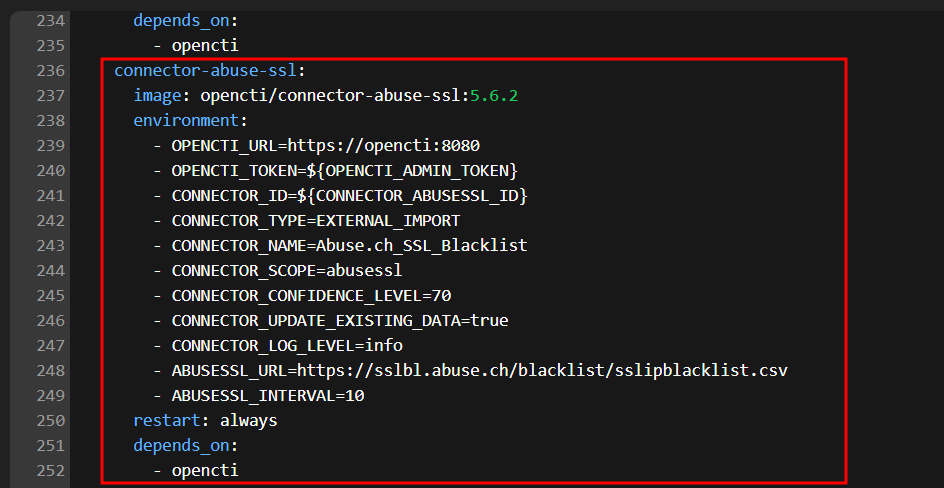
Deploy stack.
ALIENVAULT Connector
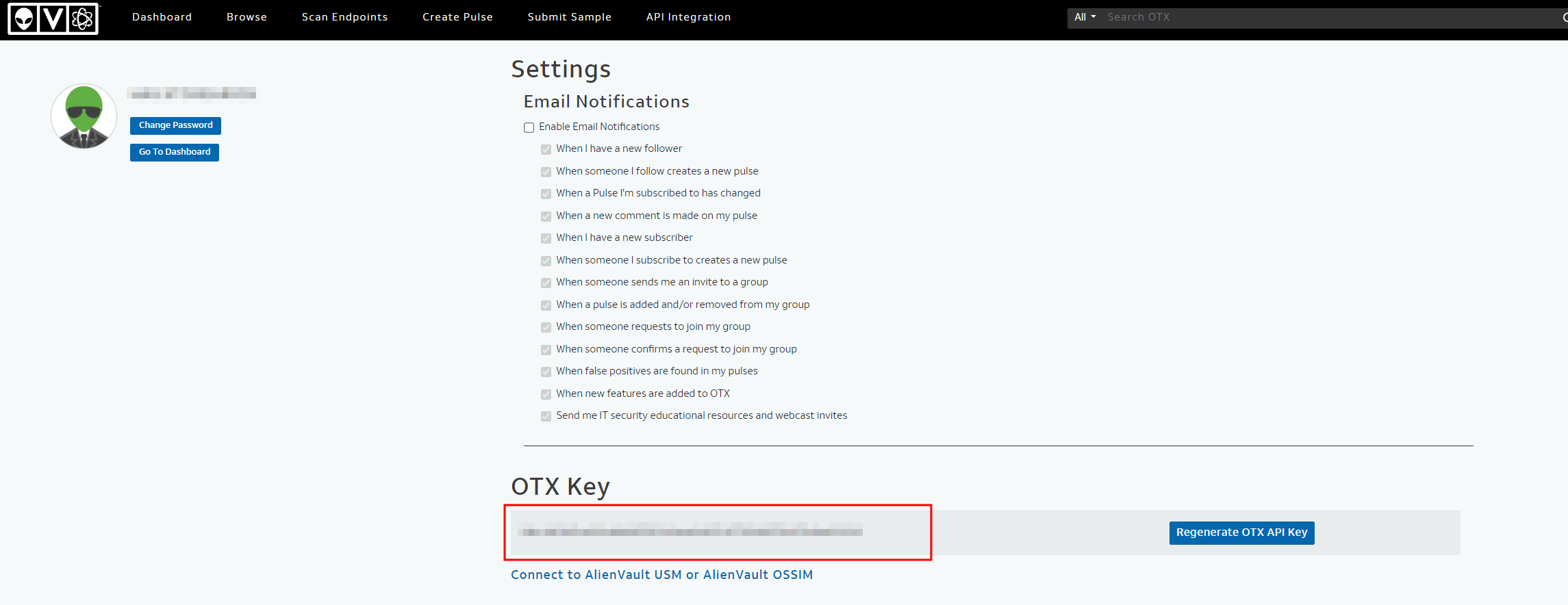
Go to https://otx.alienvault.com/ and register for a free account. Once logged in, go to Settings > Copy OTX key.
Generate random UUID and append to the .env file from the command line.
sudo bash -c "(cat << EOF
CONNECTOR_ALIENVAULT_ID=$(cat /proc/sys/kernel/random/uuid)
EOF
 ) >> .env"
sudo grep 'CONNECTOR_ALIENVAULT_ID' .env
Copy that into environment variables.
Add the ALINEVAULT connector.
connector-alienvault:
    image: opencti/connector-alienvault:5.6.2
    environment:
      - OPENCTI_URL=https://opencti:8080
      - OPENCTI_TOKEN=${OPENCTI_ADMIN_TOKEN}
      - CONNECTOR_ID=${CONNECTOR_ALIENVAULT_ID}
      - CONNECTOR_TYPE=EXTERNAL_IMPORT
      - CONNECTOR_NAME=AlienVault
      - CONNECTOR_SCOPE=alienvault
      - CONNECTOR_CONFIDENCE_LEVEL=15 # From 0 (Unknown) to 100 (Fully trusted)
      - CONNECTOR_UPDATE_EXISTING_DATA=false
      - CONNECTOR_LOG_LEVEL=info
      - ALIENVAULT_BASE_URL=https://otx.alienvault.com
      - ALIENVAULT_API_KEY=Enter_Your_API_Key_Here
      - ALIENVAULT_TLP=White
      - ALIENVAULT_CREATE_OBSERVABLES=true
      - ALIENVAULT_CREATE_INDICATORS=true
      - ALIENVAULT_PULSE_START_TIMESTAMP=2020-05-01T00:00:00                  # BEWARE! Could be a lot of pulses!
      - ALIENVAULT_REPORT_TYPE=threat-report
      - ALIENVAULT_REPORT_STATUS=New
      - ALIENVAULT_GUESS_MALWARE=false                                        # Use tags to guess malware.
      - ALIENVAULT_GUESS_CVE=false                                            # Use tags to guess CVE.
      - ALIENVAULT_EXCLUDED_PULSE_INDICATOR_TYPES=FileHash-MD5,FileHash-SHA1  # Excluded Pulse indicator types.
      - ALIENVAULT_ENABLE_RELATIONSHIPS=true                                  # Enable/Disable relationship creation between SDOs.
      - ALIENVAULT_ENABLE_ATTACK_PATTERNS_INDICATES=true                      # Enable/Disable "indicates" relationships between indicators and attack patterns
      - ALIENVAULT_INTERVAL_SEC=1800
    restart: always
    depends_on:
      - opencti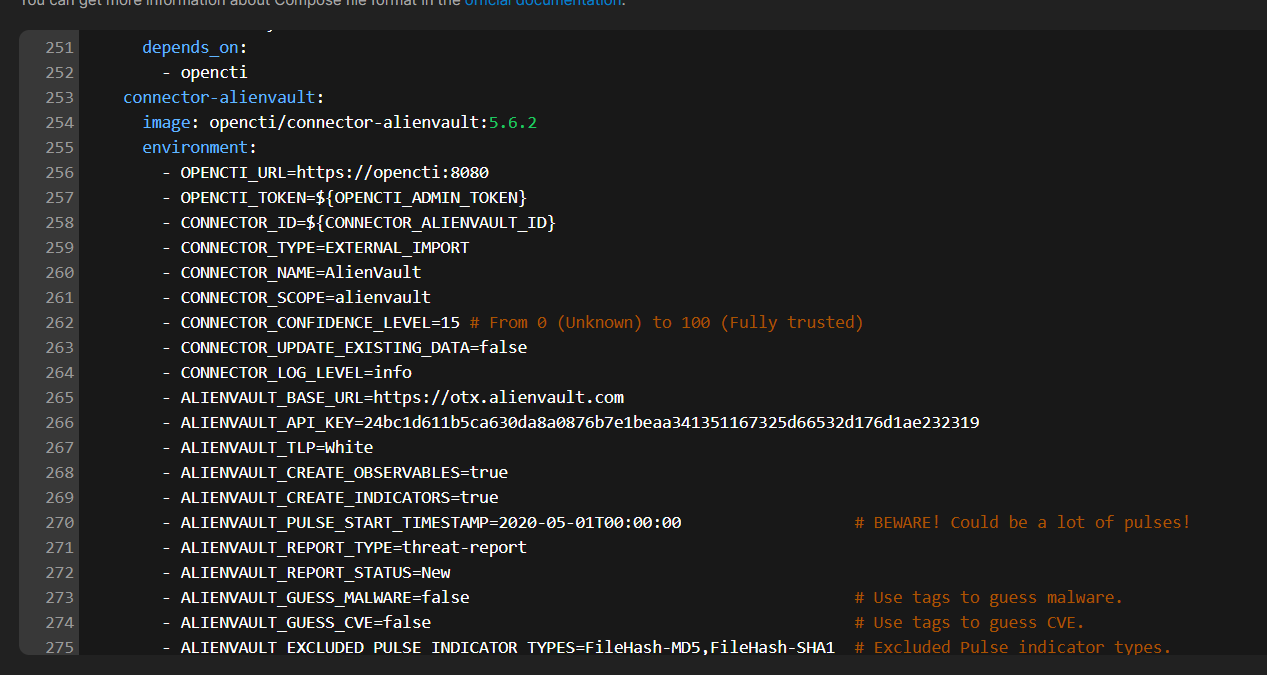
Deploy stack.